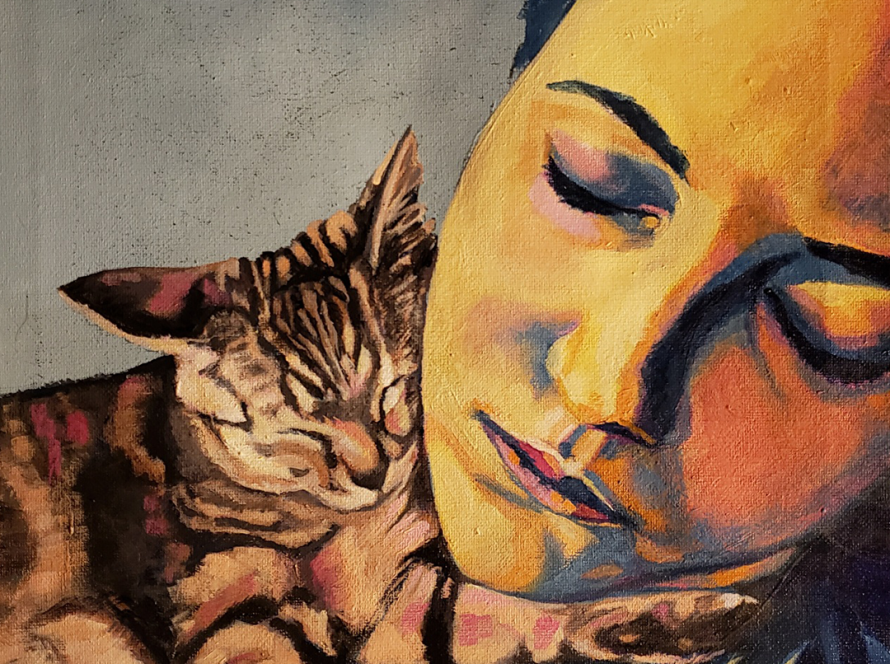

Feeling like you’re locked in a cycle of worry is tiring. Sometimes sleep or deep breaths don’t assist enough to calm your mind. It may seem too easy to pick up a brush, pencil, or lump of clay, yet many individuals find that playing with art helps them relax. Art slows down your breathing, takes your mind off racing thoughts, and gives you a sensation of control. You don’t have to be “talented.” What is important is that you make something with your hands while your mind settles down. In this blog, we’ll talk about why art is so good for those who are worried, give you some simple things you can do right now, and show you how to make creative time a healthy habit for everyone.
Art Gives Busy Minds A Gentle Rest
Long stretches of worry overload the brain’s alert system. When you draw or paint, your senses move from abstract fears to what is right in front of you: the texture of paper, the smell of paint, the chilly feel of a pencil barrel. This shift is called “grounding,” and it lowers stress hormones within minutes.
- Physical focus breaks mental loops. Fine finger movements demand attention, pulling energy from repetitive thoughts.
- Visual tasks calm the fight‑or‑flight reflex. The brain treats slow, rhythmic motion as a sign that danger is gone.
- Small wins feel rewarding. Finishing a sketch, even a rough one, releases dopamine, the “feel‑good” chemical.
A short session can work like a reset button after a tense meeting or a sleepless night. Over time, the mind begins to link art time with relief, making it easier to reach for a sketchbook instead of scrolling on a phone.
Colors And Shapes Speak Louder Than Thoughts
When you’re feeling strong emotions, words can feel clunky. Color and shape enable you to express your feelings without having to follow linguistic rules. Think of angry red spots, tranquil blue spots, or jagged lines for confusion. Giving your feelings a shape offers them a place to go outside your head, where they seem smaller and easier to handle.
Quick ways to paint feelings:
- Choose three colors that match your mood and swirl them across the paper.
- Tear colored paper into bits, glue them in patterns that echo your heartbeat.
- Use thick markers to scribble shapes until tension fades.
No one else has to see the result. The message is for you alone, and that privacy encourages honesty you might not voice aloud.
Simple Art Practices You Can Try Daily
Anxiety often peaks during idle moments, such as waiting for a bus or winding down before bed. Keeping tiny art tools handy can turn those gaps into micro‑therapy.
- Pocket sketch pad: Spend five minutes outlining objects around you.
- Color‑by‑number apps: Quick, no‑mess activity to steady thoughts during commutes.
- Mandala doodles: Repeating circles and lines, slow breathing, and heart rate.
- Clay fidgeting: Soft modeling clay absorbs restless energy through squeezing and shaping.
Start with ten minutes a day. Set a gentle timer so you do not watch the clock. Over a week or two, most people notice lower muscle tension and fewer spirals of negative thinking.
Group Art Sessions Build Comfort And Support
Anxiety can feel isolating. Sharing creative time with friends, coworkers, or family offers gentle social contact without the pressure of talking the whole time. Laughter over spilled paint or crooked lines reminds us that perfection is not the goal, connection is.
Benefits of group art:
- Shared materials encourage cooperation and reduce costs.
- Conversation flows naturally when hands are busy; awkward silence shrinks.
- Witnessing progress boosts confidence, as others cheer small milestones.
Community centers, libraries, and local studios often host low‑cost art evenings. If you prefer at‑home gatherings, place supplies on a kitchen table and invite a few people for a relaxed Saturday morning session.
Making Art Engages The Calm Body System
The nervous system has two main settings: “alert” and “rest.” While anxiety flips the first switch, creative actions flip the second. Studies show that heart rate, blood pressure, and muscle tension drop during art making, similar to results from meditation.
Key reasons art soothes the body:
- Rhythmic motion: Repeating strokes mimic rocking, which comforts the brain.
- Sensory feedback: Wet paint, soft pastels, or grainy charcoal deliver pleasant input to skin and eyes.
- Goal flexibility: There is no right answer, lowering performance pressure that often fuels overthinking.
Think of art as an active form of mindfulness, a way to stay present without forcing stillness.
From Hobby To Habit: Keeping Momentum Going
The hardest part is not starting; it is continuing when life feels hectic. Setting up small prompts helps art time become as routine as brushing teeth.
Try these habit‑building tips:
- Leave supplies visible. A cup of pens on your desk is a frequent invitation.
- Pair art with an existing ritual. Sketch during morning coffee or evening tea.
- Track streaks lightly. Place a star on a calendar each day you create for five minutes.
- Rotate mediums, watercolors one week, collage the next to keep curiosity alive.
Celebrate consistency over outcome. Even quick doodles count. The goal is steady relief, not masterpieces.
Art Lets Children Voice their Feelings Safely
Kids often lack words for fear or worry. Crayons give them a direct channel from emotion to paper. Parents and teachers can prompt children to “show how you feel using colors,” then gently discuss the drawing. This method avoids leading questions and respects the child’s own story.
Helpful pointers for adults guiding young artists:
- They offer many color choices but no rules about “right” shades.
- Sit nearby and draw alongside to model openness.
- Ask open questions later: “Tell me about this shape,” instead of “Is this a monster?”
- Praise effort: “You spent a lot of time on those lines,” rather than judging the picture.
Such supportive art time teaches kids that feelings are normal and manageable, building emotional skills they can use for life.
Scientific Facts That Show Art Lowers Daily Stress Levels
A growing body of research gives solid numbers to what many hobbyists already feel in their bones: creative time eases tension fast. In a 2016 study of 39 adults, 75 percent showed a drop in the stress hormone cortisol after just 45 minutes of free painting. A later review of 37 trials found that regular art sessions cut general anxiety scores by an average of 24 percent—results appeared in as little as three weeks.
Here are a few eye‑opening figures:
- 20 minutes of mindful coloring lowered heart rate by 7 beats per minute in a small 2020 test group.
- A children’s hospital reported a 60 percent fall in reported worry when young patients drew during treatment.
- Within two months, community art classes trimmed loneliness ratings by 30 percent among older adults.
These numbers remind us that creative play is more than fun; it is a measurable step toward calmer days.
Conclusion
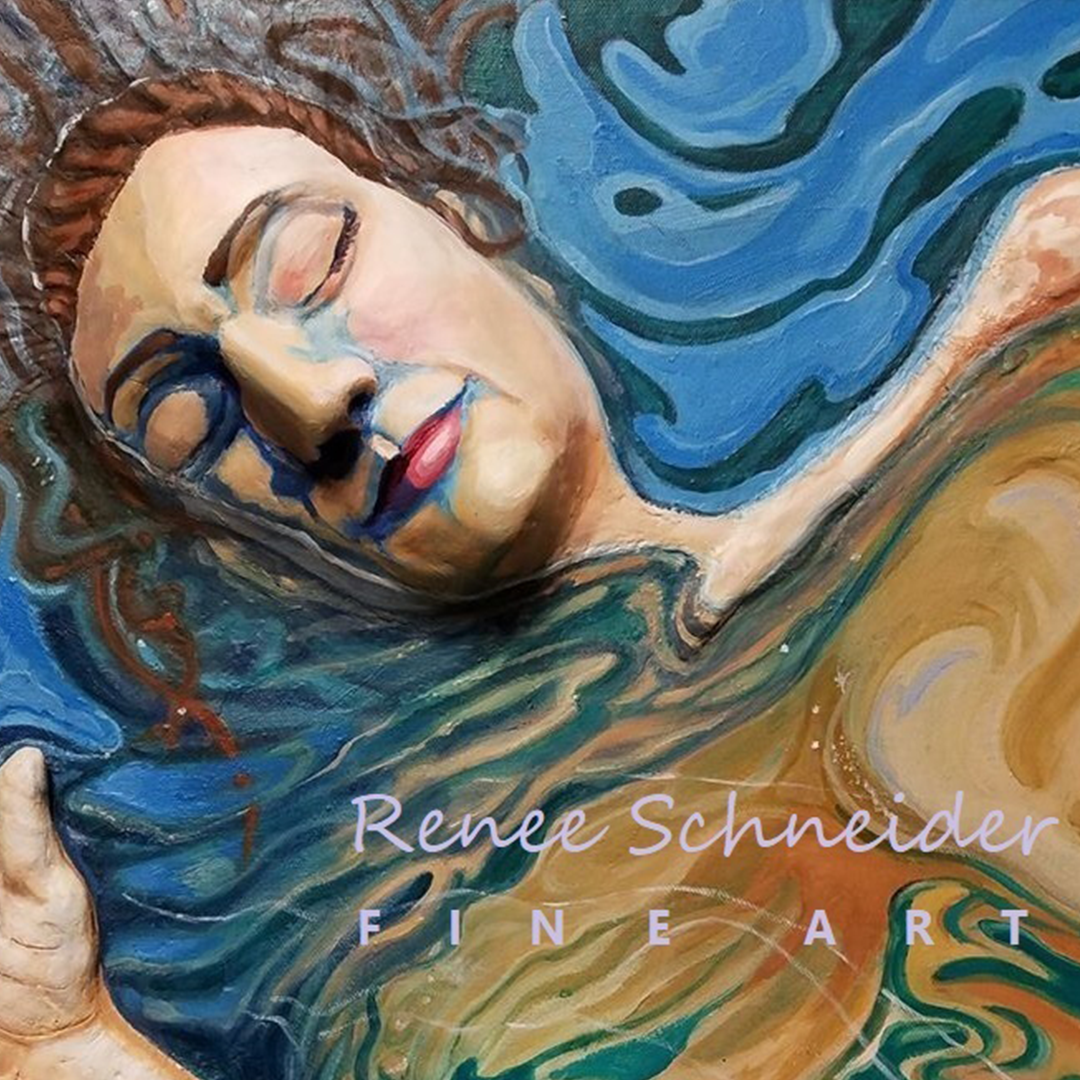
Making art is a simple and cheap way to deal with stress or thinking too much whenever it happens. It trains your nervous system to relax, helps you pay attention to your senses, and gives you a safe way to talk about how you feel. You might be able to stay calm in your daily life by doing creative things like drawing by yourself, having paint nights with friends, or telling stories with bright pictures. Custom murals, commissioned pictures of pets or loved ones, fun art parties for kids and adults, and fun classes for kids are all things that Fine Art by Renee Schneider has to offer. All of these hobbies are meant to improve health by letting people make things with their hands. Start today, and small steps will help you feel better.