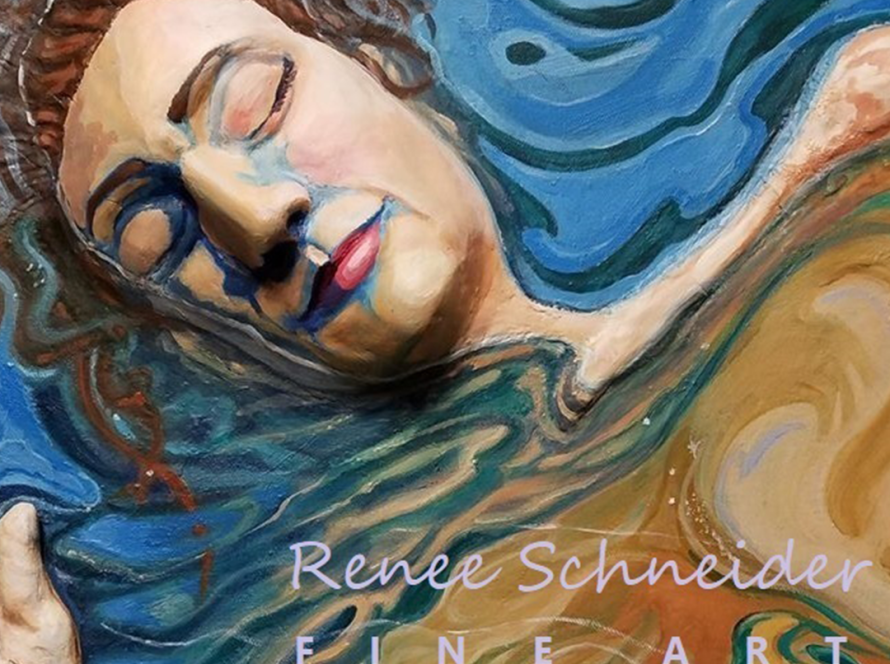

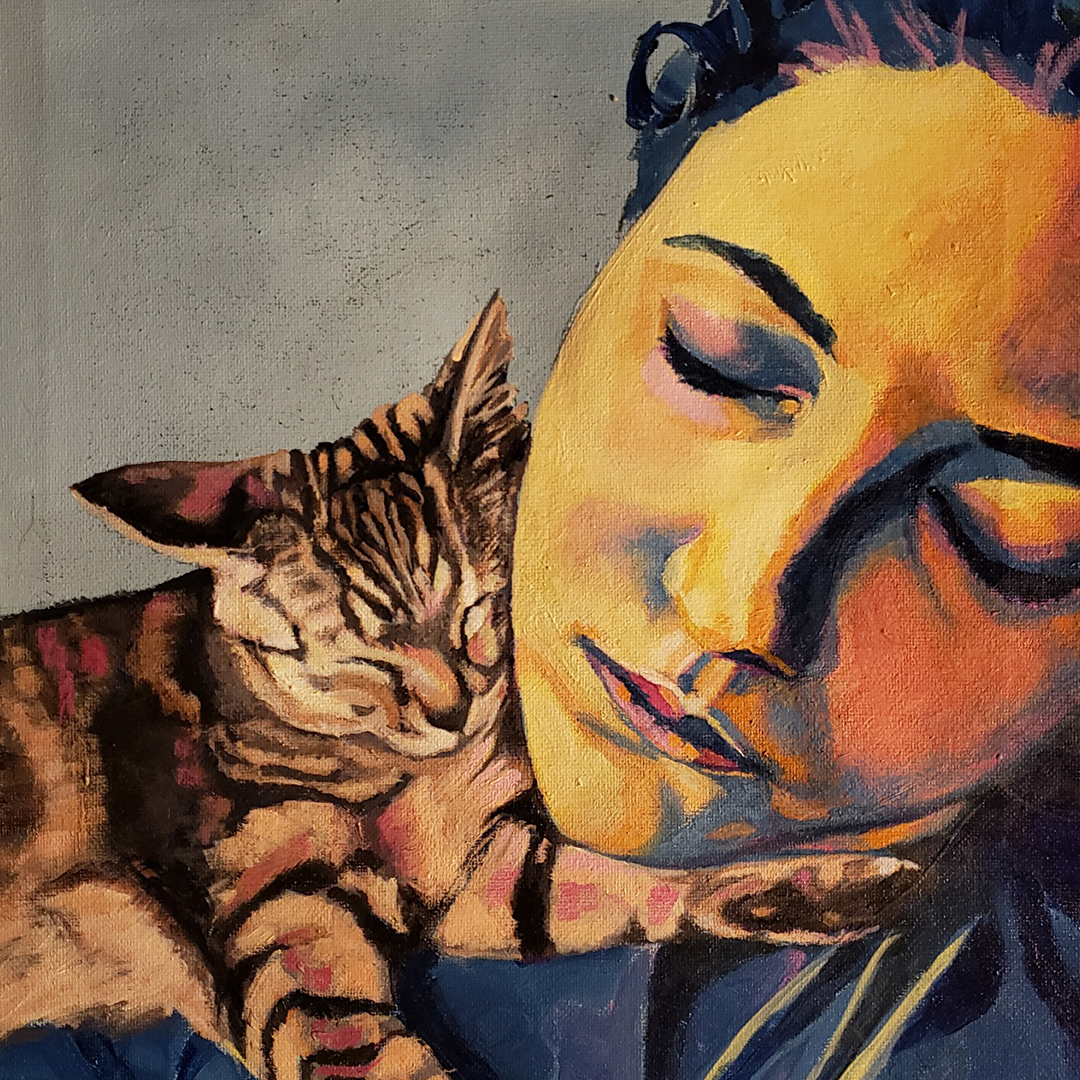
Looking at a painting is not just “seeing.” It is a quick conversation between your eyes, memory, and body signals. Within a fraction of a second, your visual system sorts lines, color fields, depth cues, and subject hints. Mood shifts follow as your brain links these signals with stored experiences. This is why a quiet landscape can soften tension while a bold abstract can raise alert curiosity. Intentional, regular viewing works a bit like brief mental training: attention steadies, breathing slows, and stress chemicals may fall. So, learning how to look gives you a low-effort tool for steady emotional support during a busy week.
Evidence On Art And Mood
Research across galleries, hospitals, and classrooms has reported stress relief after short art viewing sessions. One study group showed reduced cortisol (a stress marker) after spending under forty minutes with paintings. Another reported improved heart rate variability, a marker linked with better emotional regulation, following mindful looking exercises. People also self-report higher curiosity and social connection after discussing an artwork. These effects are not magic; they come from engaged attention plus meaningful interpretation.
Key points:
- Stress signals: Short viewing can lower perceived tension.
- Reward circuits: Pleasing color harmony can trigger dopamine release.
- Memory links: Personal stories stored in the hippocampus shape the response.
- Social mood: Shared discussion often increases feelings.
- Consistency matters: Small daily sessions build cumulative benefit.
Visual Pathways Linking Paintings And Feeling States
Light from a painting hits the retina, sending data through the optic nerve to the lateral geniculate nucleus, then onward to the primary visual cortex (V1). Higher areas sort shape, edge direction, hue, motion suggestion, and even implied texture. Parallel emotional tagging happens when the amygdala and limbic circuits flag patterns linked with safety, awe, nostalgia, or unease.
Because these routes run rapidly, a painting can shift feeling tone before verbal thought forms. Knowing that a layered process helps you design viewing habits: select varied subject matter, pace your exposure (slow, then brief analytical check), and note body cues like breath depth or jaw tension changes as real-time feedback.
Color Interaction And Emotional Signaling Explained Simply
Color triggers both learned associations and physiological micro-reactions. Warm reds and oranges can heighten arousal (useful when you need energy) while cooler blues or soft greens often cue calmer breathing. High contrast edges raise alertness; lower contrast areas may invite reflective scanning. Saturation (strength) affects the intensity of reaction; mid-saturation often sustains attention without tiring the eyes. Layered glazes or gradients can guide eye movement in a gentle spiral, lengthening dwell time, which supports mindful focus.
When choosing pieces for a room, mix one energizing palette with several restful ones so the overall mood stays balanced instead of overstimulated. Track any pattern between certain hues and your afternoon energy dips.
Texture, Stroke Energy, And Body Response Patterns
Even without touching, implied texture affects sensation. Thick impasto strokes scatter light, creating micro-shadows that add liveliness and subtle movement cues. Smooth, even surfaces promote visual gliding, often calming scanning speed. Directional stroke clusters can echo body gestures; diagonal sweeps may quicken pulse while horizontal layering often steadies it. Rounded shapes signal softness; sharp, angular intersections can trigger alert monitoring. Observing stroke rhythm trains interoception (awareness of internal signals).
Try a short protocol:
- Scan the stroke direction.
- Notice any muscle mirroring.
- Slow exhale.
- Re-scan and compare the feeling shift.
Over time, this simple method helps you regulate your mood using structured looking instead of passive scrolling.
Storytelling Cues Build Personal Meaning Pathways Inside
Narrative sparks emotion because your brain fills in the gaps. A lone figure near a shoreline, a clustered set of shapes suggesting a city, or subtle symbolic objects each invite projection. When you supply context, you weave personal memory with present sensory input. This weaving strengthens meaning pathways and can soften rumination by channeling thought into constructive story building.
Try these useful steps:
Identify subject hints, list three quick adjectives, relate one memory, then re-state a present feeling in one sentence. This turns viewing into a gentle cognitive reframing tool. Over weeks, you may notice faster recovery from minor mood drops because you practice shifting interpretive frames.
Focused Looking Slows Thoughts And Calms Reactivity
Mindful art viewing differs from casual glancing. Set a short timer (three to five minutes).
- During minute one, list silent labels: lines, arcs, soft edges, open space, layered space.
- Minute two, track eye path: where do you start, loop, settle?
- Minute three, notice body signals (breath pace, shoulder lift).
This deliberate sequence recruits executive networks that dampen default worry loops. Because the task is absorbing yet low risk, it gives your nervous system a short “focused calm” interval. Repeat daily and pair with one slow inhale count of four, exhale count of six. This ratio can nudge parasympathetic tone upward, smoothing emotional spikes through the day.
Selecting Art That Supports Daily Mood Shifts
Curate a small “mood set” instead of a single piece. Include:
- Grounding work (soft edges, earth, or muted cool palette).
- Uplift work (clear luminous accents, upward movement lines).
- Reflective work (subtle narrative detail encouraging quiet focus).
- Energy work (dynamic diagonals, high contrast zones)
Rotate which piece you center each morning based on planned tasks. For analytical tasks, choose reflective or grounding. For social tasks, start with an uplift piece to prime openness. Evening unwinding often pairs better with grounded or reflective images that slow ocular saccades (rapid jumps) by offering smoother gradients.
Simple Ways To Engage With Paintings Mindfully
Increase active interaction using structured mini-practices:
- Five Feature Scan: List five formal elements (line weight, hue shift, negative space shape, light direction, perspective cue).
- Emotion Match: Name one current feeling; locate a shape or color area that echoes it; hold gaze for ten seconds; notice shift.
- Edge Walk: Follow a contour slowly with eyes only; supports sustained attention endurance.
- Memory Anchor: Pick one small detail and recall it later; it builds visual memory, which can aid stress recovery.
- Micro Journal: One sentence: “While viewing X, I felt Y because Z.”
These repeated micro tasks convert passive viewing into light cognitive training, reinforcing flexible emotional regulation skills.
Build A Home Viewing Ritual
Treat art viewing like brewing tea: a short, repeatable sequence signals transition. Example evening ritual:
- Dim harsh overhead light;
- Use a lamp angled at thirty degrees to reduce glare.
- sit or stand at a moderate distance (roughly two picture diagonals away) for balanced field fill;
- Take two slower breaths.
- perform a two-minute Feature Scan;
- Finish with a sentence summary of the mood shift.
Keep a small log with date, piece, starting feeling, ending feeling (e.g., “Tired → settled”). Over weeks, this log becomes feedback, showing which subjects or color layouts best support certain emotional goals. Consistency, not length, secures lasting benefit.
Conclusion
Fine Art by Renee Schneider offers custom murals, commissioned paintings (pets, people, portraits), children’s art lessons, and art parties for kids & adults, each service giving you purposeful ways to interact with imagery on a regular schedule. Thoughtful viewing habits turn paintings into daily emotional tools: lowering stress peaks, guiding focus, and nurturing constructive self-reflection. Start small: three mindful minutes, one structured scan, one brief note. As you refine which visual qualities shift mood most helpfully, you build a personal support routine grounded in accessible aesthetic experience rather than complex gear or long training. Keep it steady, curious, and simple.